
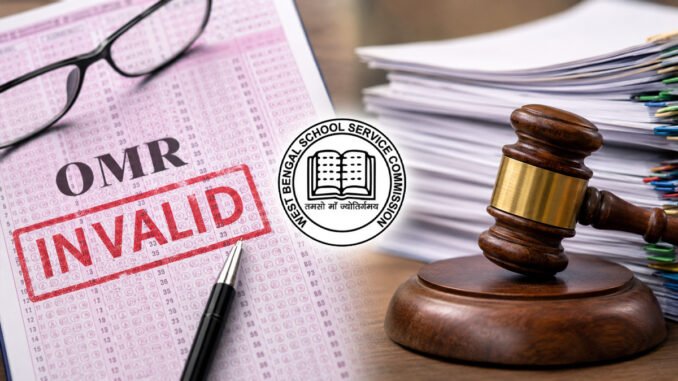
The new West Bengal government has begun aggressive steps to recover salaries paid to “ineligible” SSC recruits after the Supreme Court’s landmark verdict cancelling thousands of school jobs. The School Education Department has now written to all District Magistrates, directing them to initiate action to recover salaries and benefits allegedly drawn by candidates whose appointments were declared illegal.
The move comes months after the Supreme Court, in its April 3, 2025 judgment, scrapped the entire 2016 SSC recruitment panel and cancelled the appointments of 25,735 teaching and non-teaching staff. The apex court had clearly directed that candidates identified as “tainted” or “ineligible” must not only lose their jobs but also return the salaries they had received, along with applicable interest.


According to sources in the Education Department, the previous administration had not actively pursued the recovery process despite the court’s order. Critics had repeatedly accused the former ruling establishment of defending tainted candidates both politically and legally.
Following the change in government, the state administration has now moved swiftly to enforce the Supreme Court directive. Official letters sent by the School Education Department ask District Magistrates to explore all necessary legal and administrative measures to recover public money from those found guilty of securing jobs through corruption or fraudulent means.
Government officials claim the recovery process is aimed at ensuring accountability in one of the biggest recruitment scandals in West Bengal’s education sector.

The controversy stems from allegations that several candidates secured teaching jobs despite being unqualified, with some allegedly submitting blank answer sheets or obtaining appointments through financial transactions and manipulation of merit lists.
In the 2016 SSC recruitment scam, as many as 1,806 teachers and 3,512 non-teaching staff were officially identified as “tainted” candidates in connection with institutional irregularities during the recruitment process.
The Supreme Court, while cancelling the entire recruitment panel, had observed serious irregularities in the selection process. It also barred candidates identified as ineligible from participating in future recruitment drives.


Several dismissed candidates had later approached the Supreme Court seeking permission to participate in fresh recruitment examinations and demanding release of pending salaries for April. However, the apex court reportedly refused to grant relief to those categorised as “ineligible.”
Political observers believe the latest move by the new government is intended to send a strong message against corruption in public recruitment while demonstrating compliance with judicial orders.

Leave a Reply