
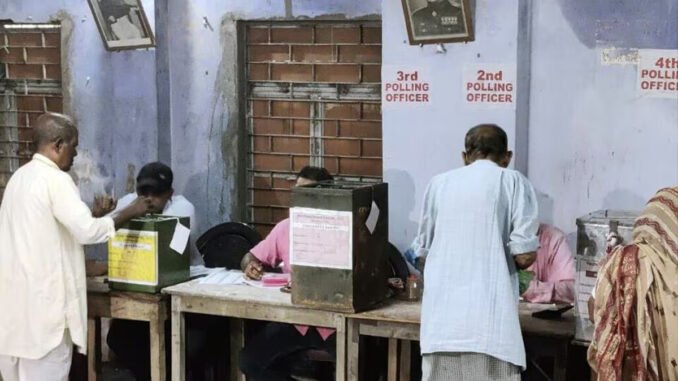
As preparations slowly begin for the 2026 West Bengal Assembly elections, a new discussion has started among government employees about election duty—and more importantly, the payment they might receive for it. Although the Election Commission has not yet issued a final notification, a draft proposal circulating within administrative circles has revealed the possible remuneration structure for polling officials. The document outlines how much Presiding Officers, Polling Officers, and other election staff could receive for their roles during the crucial democratic exercise.
According to the preliminary draft, the allowance structure has been designed based on the level of responsibility and type of duty assigned during the election process. The proposed payments cover several components, including training sessions, polling day duties, collection of election materials, and refreshment allowances.

Expected Allowances for Presiding and Polling Officers
At every polling station, the Presiding Officer plays the most critical role, supervising the entire voting process and ensuring that polling is conducted smoothly and fairly. As per the draft proposal, a Presiding Officer could receive a total allowance of around ₹3,000 for election-related duties.
Meanwhile, the First, Second, and Third Polling Officers, who assist with voter verification, EVM management, and other booth-level operations, may receive ₹2,600 each.
How the Allowance is Calculated
The proposed compensation is divided into several categories tied to specific election tasks.
Training Allowance:
For attending two days of election training, Presiding Officers may receive ₹1,000, while Polling Officers are likely to receive ₹800.
Collection of Election Materials and Polling Day Duty:
On the day election officials collect EVM machines and other materials, Presiding Officers may be paid ₹500, while Polling Officers could receive ₹400. The same amount is expected to be provided for polling day duties or counting day responsibilities.
Refreshment Charges:
To cover food and refreshments during election duty, both Presiding and Polling Officers may receive ₹1,000 for two days.


Allowances for Other Election Personnel
The election process involves a large number of supporting staff beyond the polling booth officials, and the draft guideline also suggests allowances for them.
Supervisory and Monitoring Roles:
Micro Observers, who monitor the polling process closely, may receive up to ₹2,000. Sector Magistrates, Zonal Officers, and Counting Supervisors could receive around ₹1,500 each.
Assistant-Level Officials:
Assistant Zonal Officers may get ₹1,000, while Counting Assistants might receive ₹1,400.
Other Key Roles:
Reception Officers, Cashiers, Village Administrative Officers (VAO), and election trainers could receive ₹1,800 as part of their election duty allowance.
Additionally, Village Assistants, Office Assistants, and Group D staff involved in election management may receive around ₹1,700.
Final Decision Yet to Come
Officials have clarified that the figures mentioned in the draft are not final and may change once the Election Commission releases an official notification.
Another factor that could influence the allowance is the number of training days. If the training duration increases from two days to three, the overall compensation for poll officials is likely to rise proportionately.
For now, the draft guideline gives government employees a preliminary idea of the payment structure they might expect for election duty during the upcoming 2026 Assembly polls in West Bengal. The exact figures will only be confirmed once the West Bengal Election Commission formally announces the final allowance structure.

Leave a Reply