
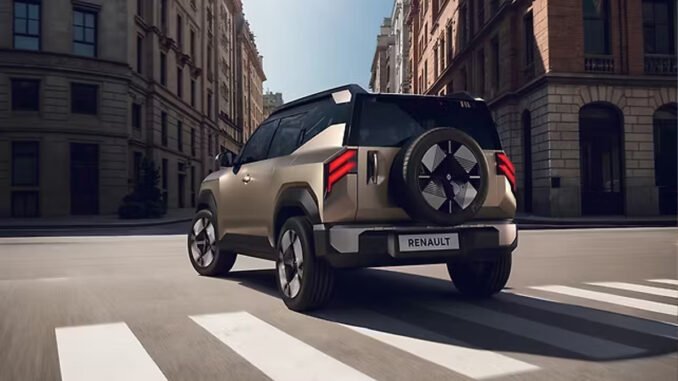
Renault is preparing to enter India’s fiercely competitive compact SUV market with the upcoming Bridger, a model designed with a clear focus on interior space and everyday practicality. Expected to debut before the end of 2027, the Bridger concept suggests that Renault is betting on cabin comfort, generous boot capacity and versatile powertrain options to stand out in a segment dominated by feature-heavy rivals.
The concept version of the Renault Bridger reveals a strong emphasis on maximising usable space, despite being positioned in the sub-four-metre SUV category. According to Renault, the rear seats in the concept offer up to 200mm of knee room — a figure the company claims could set a new benchmark within the compact SUV segment.


Read More: Mahindra BE 6 Batman Edition Sold Out in Just 7 Minutes; All 999 Units Booked Instantly
Practicality appears to be at the core of the Bridger’s design philosophy. The concept model offers a boot capacity of around 400 litres, making it one of the more spacious offerings in its class if these figures carry over to the production model. For families and urban buyers who prioritise luggage capacity and passenger comfort, this could become one of the vehicle’s strongest selling points.
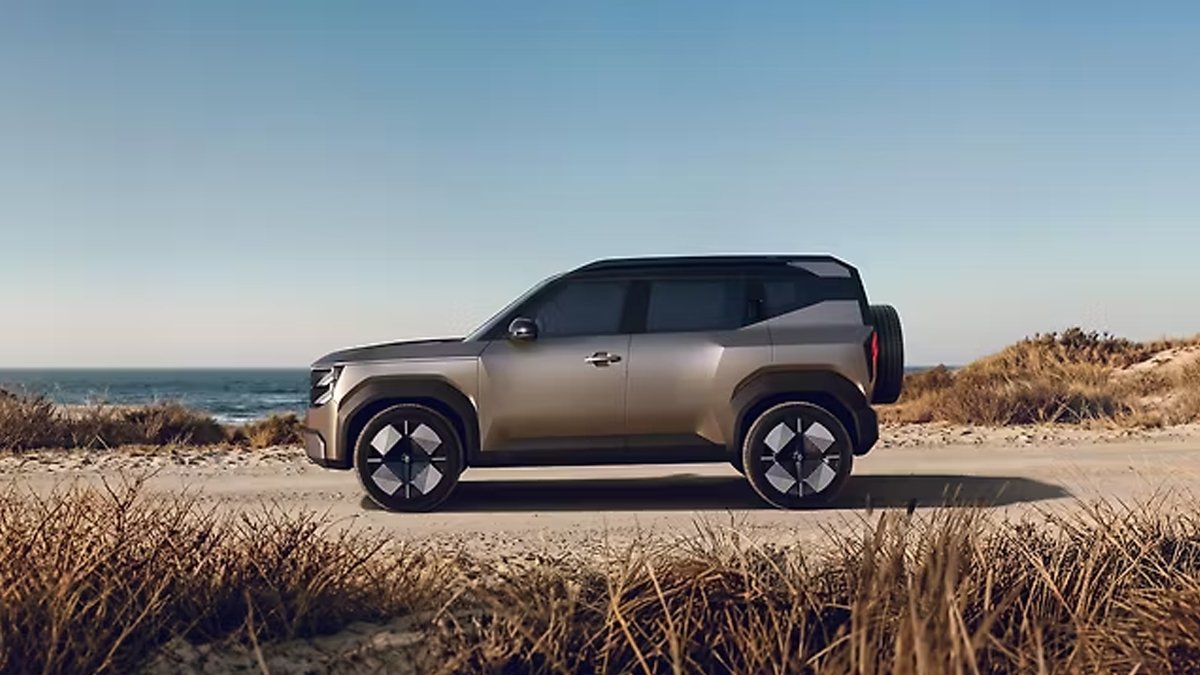
In terms of design, the Bridger concept retains typical SUV characteristics such as a commanding driving position, large 18-inch wheels and a ground clearance of about 200mm. These design cues reinforce the SUV identity while ensuring that the vehicle retains the elevated seating position many Indian buyers prefer.

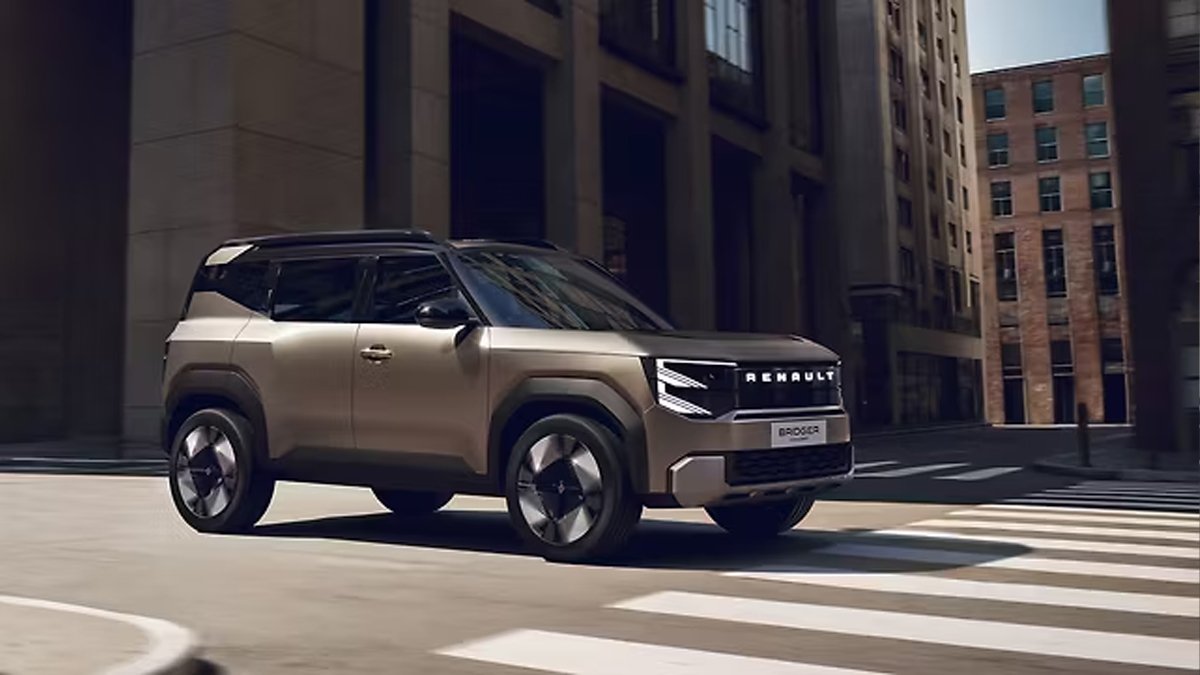
However, as with most concept vehicles, the final production version is expected to undergo some changes. The large wheels may be replaced by smaller alloys with higher-profile tyres, and the ground clearance could be adjusted slightly to suit production realities and ride comfort.
The Bridger is expected to offer multiple powertrain options, including petrol, hybrid and fully electric variants. This strategy aligns with Renault’s broader push toward electrification while still catering to traditional buyers who prefer internal combustion engines.
When it eventually launches, the Renault Bridger will compete directly with some of India’s most popular compact SUVs, including the Tata Nexon, Maruti Suzuki Brezza and Hyundai Venue. These rivals have traditionally relied on aggressive styling, feature-rich cabins and strong brand presence to dominate the segment.


Renault’s strategy with the Bridger appears somewhat different. Rather than focusing solely on technology and styling, the company is placing strong emphasis on cabin space and everyday usability — factors that often influence real-world ownership satisfaction.
If the production model retains the spacious layout and packaging advantages suggested by the concept, the Bridger could emerge as a compelling option for small families and urban SUV buyers seeking a vehicle that prioritises comfort, practicality and versatility.

Leave a Reply