
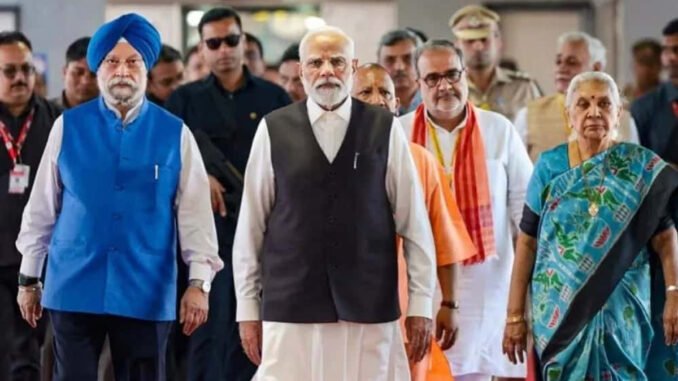
India has moved swiftly to safeguard domestic cooking gas supplies after disruptions in the Strait of Hormuz threatened LPG imports. Prime Minister Narendra Modi on Tuesday held a high-level meeting with Petroleum Minister Hardeep Singh Puri and External Affairs Minister S. Jaishankar, directing refineries to increase LPG production by 10 percent to prevent shortages amid rising geopolitical tensions in West Asia.
The urgent review comes as the ongoing conflict involving the United States, Israel and Iran has effectively disrupted movement through the Strait of Hormuz—one of the world’s most crucial energy shipping lanes. With a significant portion of India’s LPG imports passing through this narrow waterway, the situation has triggered concerns about supply pressure and rising fuel prices.


India relies heavily on imports to meet its LPG demand. Nearly 62 percent of the country’s LPG requirement is imported, and around 85–90 percent of those imports come from West Asian countries, including Saudi Arabia. Most of these shipments travel through the Strait of Hormuz, making the route vital for India’s energy security.
The disruption has already begun affecting the domestic market. Cooking gas prices have increased over the past week, and the government has introduced temporary restrictions on cylinder booking intervals to prevent panic buying and hoarding.
Officials from the Ministry of Petroleum and Natural Gas have assured that there is currently no shortage of LPG cylinders in the country, but precautionary steps are being taken to maintain steady supply.


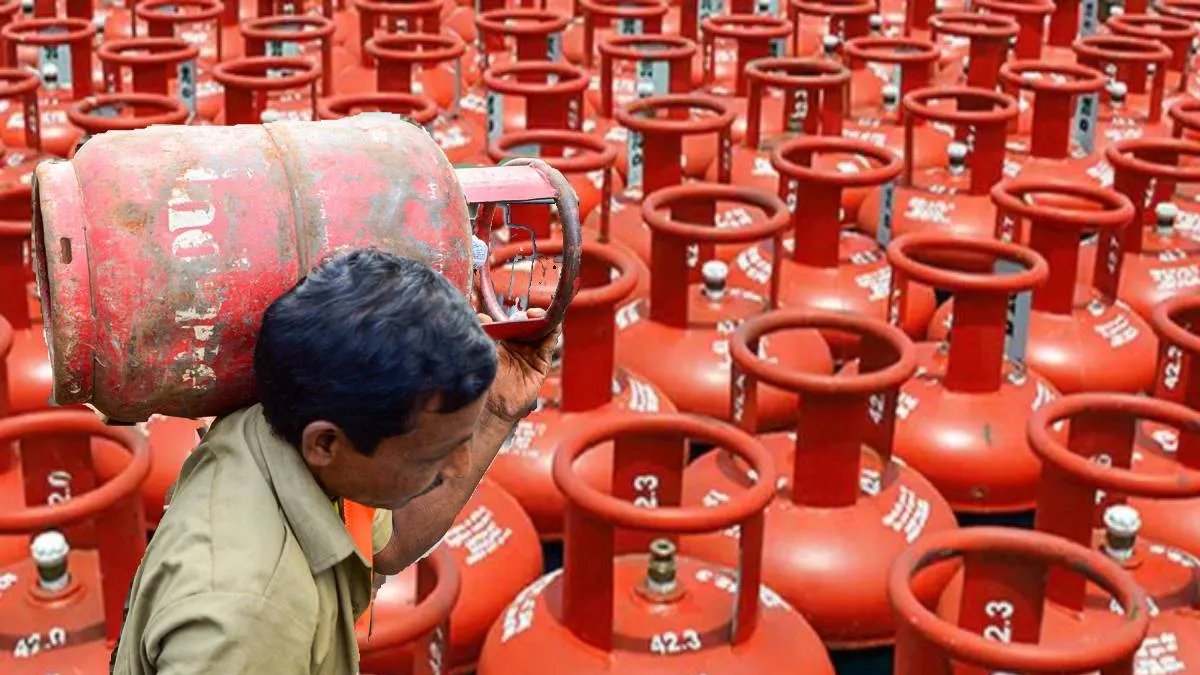
As part of the government’s response, refineries have been instructed to boost LPG output by diverting some feedstock away from petrochemical production toward cooking gas manufacturing. Authorities are also exploring alternative import sources to reduce dependence on the disrupted Gulf route.
India consumes roughly 31.3 million tonnes of LPG annually, according to government data. Around 87 percent of this supply is used as domestic cooking fuel, while the remaining 13 percent serves commercial users such as hotels, restaurants and industrial establishments.
Given the circumstances, the government has decided to prioritize household LPG supply to protect ordinary consumers. This shift could lead to tighter availability in the commercial segment, particularly for hospitality businesses.


In cities like Mumbai and Bengaluru, restaurants and hotels have already begun reporting early signs of supply constraints. The India Hotels and Restaurant Association has raised concerns about potential disruptions affecting the hospitality sector.
To manage the evolving situation, the government has also extended the minimum waiting period for LPG refill bookings from 21 days to 25 days, a step aimed at preventing stockpiling and curbing black-market activity.
Additionally, a portion of imported LPG will be reserved for critical services such as hospitals and educational institutions to ensure essential operations remain unaffected.
A special committee comprising three Executive Directors from oil marketing companies (OMCs) has also been formed to monitor supply and evaluate requests from commercial sectors. The panel will allocate LPG based on priority, necessity and available stock.
Hindustan Petroleum Corporation Limited (HPCL) acknowledged that the current geopolitical tensions pose significant challenges but said efforts are underway to stabilize supplies by increasing domestic production.
Government officials stressed that decisions regarding commercial gas distribution during this period of uncertainty will ultimately be guided by the recommendations of the newly formed committee.

Leave a Reply