
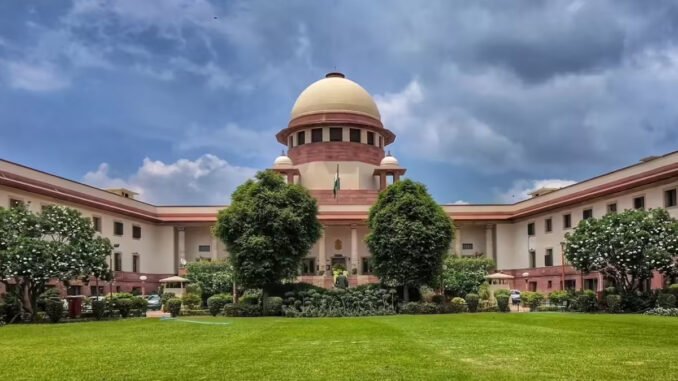
India’s public transport system is headed for a major safety overhaul after the Supreme Court issued strict directions to all States and Union Territories to immediately enforce mandatory installation of vehicle tracking devices and panic buttons in taxis and other public service vehicles. Calling the current situation “alarming”, the apex court observed that less than one per cent of transport vehicles in the country currently have functioning vehicle location tracking systems, raising serious concerns over passenger safety, especially for women, children and senior citizens.
In a significant order delivered on Wednesday, a Bench comprising Justices JB Pardiwala and KV Viswanathan directed all state governments and Union Territories to strictly implement Rule 125H of the Central Motor Vehicles Rules, 1989. The rule makes it compulsory for public service vehicles to be equipped with Vehicle Location Tracking Devices (VLTDs) and emergency panic buttons.


Supreme Court Cracks Down on Unsafe Public Transport, Makes Panic Buttons Mandatory in Taxis
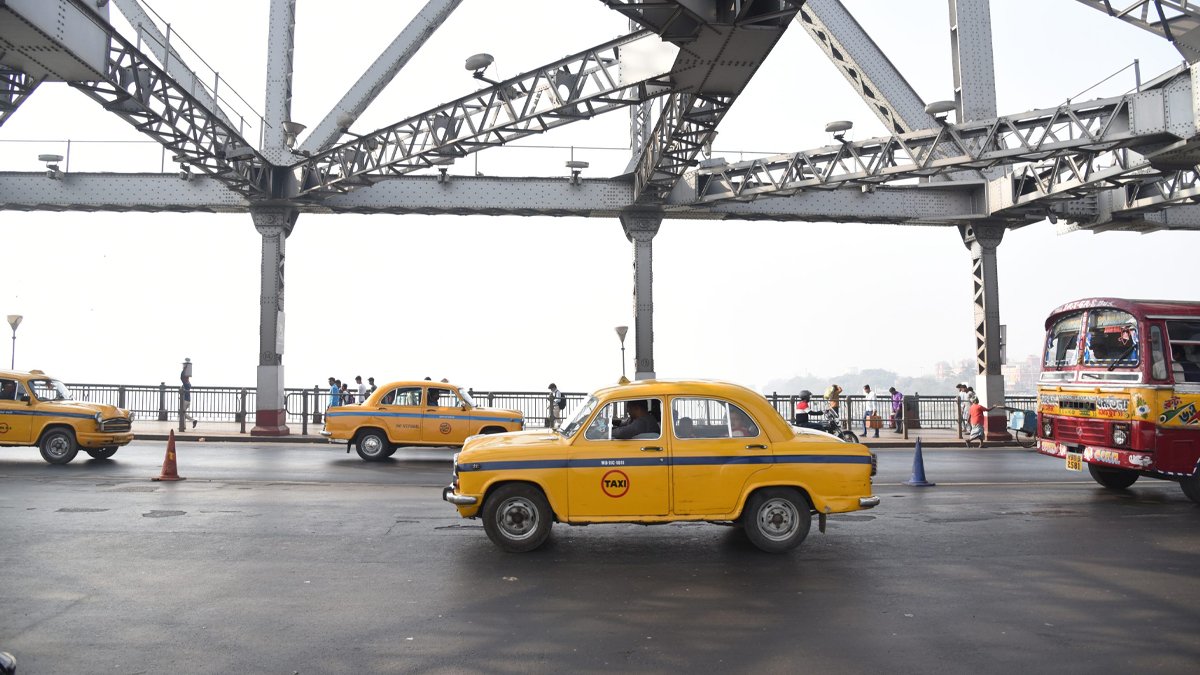
The Supreme Court made it clear that no public service vehicle would be eligible for a fitness certificate or transport permit unless these safety mechanisms are installed. The court further instructed authorities to ensure that the installation details are updated and reflected on the government’s Vahan portal for verification and monitoring.
The bench stressed that passenger safety can no longer be treated as an optional administrative exercise. According to the court, modern safety systems are essential in today’s transport ecosystem, particularly in densely populated urban areas where public vehicles operate round the clock.
During the hearing, the apex court also endorsed a proposal suggesting that automobile manufacturers should install tracking devices and panic buttons at the manufacturing stage itself before vehicles are sold in the market. The court directed the Central government to initiate consultations with automobile manufacturers and submit a detailed report on the feasibility of implementing such a system nationwide.

The observations came while the court was hearing a long-pending Public Interest Litigation (PIL) related to road safety measures across India. The PIL was originally filed in 2012 by Coimbatore-based orthopaedic surgeon Dr S Rajaseekaran, who highlighted the rising number of road accidents and sought stronger policy intervention to reduce fatalities and improve emergency response systems.

The Supreme Court also raised concerns over the absence of proper lane discipline on Indian roads, remarking that “there is effectively no concept of lane driving in India.” The bench observed that lack of lane discipline remains one of the major reasons behind the growing number of road accidents and directed the Centre to seriously examine corrective measures.
In another sharp observation, the court criticised several state governments for failing to submit compliance reports regarding mandatory speed governors in vehicles. The judges underlined that vehicle manufacturers are legally bound to install speed-limiting devices and warned against delays in implementation.


The bench further expressed dissatisfaction over the continued delay in setting up the National Road Safety Board despite earlier court directives. The court granted a final three-month window for the formation of the board, signalling growing judicial impatience over the slow pace of road safety reforms in the country.
Over the past decade, the Supreme Court has repeatedly intervened in matters related to road safety, issuing directions aimed at improving traffic regulation, emergency medical response and transport infrastructure. Wednesday’s order is being seen as one of the strongest judicial pushes yet towards creating a safer public transport system in India.

Leave a Reply